

Le Fonti Europee e Nazionali in Materia di Parità

I became (briefly) engaged to a performance artist – a recovering alcoholic who was almost giddy at the notion of ushering me into sobriety. I visited the rooms with him a couple of times and, like many alcoholics in denial (which I thought I also might be), judged the entire room and everyone in it. Finnish researchers have found a gene mutation in the serotonin 2B receptor linked to reckless behavior under the influence of alcohol. Alcohol consumption can have various effects on individuals, ranging from altered perception to physical dangers. Understanding these effects is important for individuals who are dealing with addiction or substance abuse. If you or someone you know is struggling with alcohol consumption, seeking help and support is crucial.
How the body metabolizes alcohol
Being drunk can feel good initially because alcohol triggers the release of feel-good endorphins and increases calming neurotransmitters like GABA in the brain. This creates temporary feelings of pleasure, reduced anxiety, and boosted mood, leading many to seek this sensation. At a BAC level of 0.45% or greater, severe and irreversible damage is sustained to the internal organ systems. This grim reality underscores the lethal potential of excessive alcohol consumption. When the body can no longer excrete alcohol effectively, all vital functions slow dramatically.
Physical and Mental Effects
- At this stage, an individual’s cognitive and physical abilities are severely impaired, making them vulnerable to accidents and injuries.
- Whether you’re spending time with friends or trying to unwind after a long day, many of us enjoy having a cocktail or cracking open a cold beer occasionally.
- It’s common to have some trouble sleeping when you first quit smoking.
Being drunk represents a critical point in alcohol consumption, where the risk of harm—both to the person and to others—grows significantly if drinking continues. Alcohol intoxication can be divided into seven stages, each corresponding to different BAC levels. These stages serve as a general guideline to understand the impact of alcohol on an individual’s behavior and physical functioning. It’s important to note that the effects of alcohol can vary depending on factors such as body weight, tolerance, and other individual characteristics. Several factors can influence the levels of intoxication one experiences after consuming alcohol.
Understanding Alcohol Poisoning
At this point, with a BAC of 0.35% to 0.45%, it is vital that you receive medical attention or else you will die. Despite how many people drink, very few know the specifics of what happens to the brain while drunk. You’ll meet millions of fellow Reframers in our 24/7 Forum chat and daily Zoom check-in meetings. Receive encouragement from people worldwide who know exactly what you’re going through! You’ll also be able to connect with our licensed Reframe coaches for more personalized guidance. The Reframe app equips you with the knowledge and skills to survive drinking less and thrive while navigating the journey.
Stage 4: Feeling Disoriented and Confused (BAC: 0.18–0.30%)
Alcohol withdrawal symptoms can be severe, so seeking addiction treatment as soon as possible is important. At a .20 BAC to a .25 BAC, your mental, physical, and sensory functions are super impaired. You’ll start to feel significantly confused and may need help to walk or alcohol rehab stand.
What is a standard drink?

This condition can lead to severe health complications, including coma or death if left untreated. It’s critical to recognize the symptoms early and take immediate action. The way you feel changes depending on how much alcohol you’ve consumed, how fast you drank it, and your body’s individual reactions. Here’s what you can expect during different stages of drunkenness. Alcohol affects the brain and every part of the body on a cellular level.
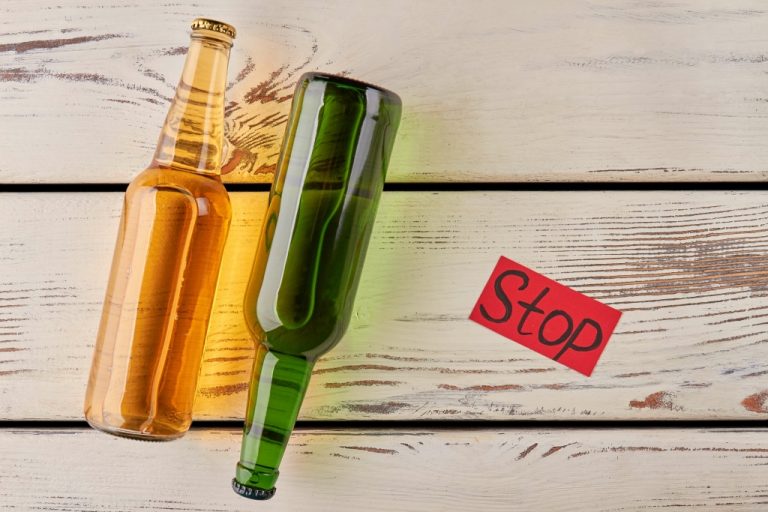
And the more alcohol that is consumed, the higher the brain’s tolerance can be for reaching those “positive” effects. More and more alcohol is needed before https://ecosoberhouse.com/ the brain’s reward center is satisfied. There are somewhat predictablestagesthat a person will go through when they drink alcohol.
Scan the QR code to get started!
Alcoholics may struggle to process emotional responses from others, leading to social isolation and further dependence on alcohol. This can exacerbate existing mental health issues and impact overall well-being. In the early stages of alcohol consumption, individuals may experience increased sociability, feelings of happiness, stimulation, positive mood, reward, elation, and energy. These effects can contribute what does getting drunk feel like to a sense of relaxation and enjoyment in social situations.
